
Dentistry & Oral Surgery
Good dental care plays a crucial role in the quality of your pet's life.
See below to learn about the specialized dental services we offer at Veterinary Dentistry and Oral Surgery of North Texas.
Do you have questions about what to expect?
Click below to see some of our more frequently asked dental questions.
Our Dental Services
Periodontal Treatment
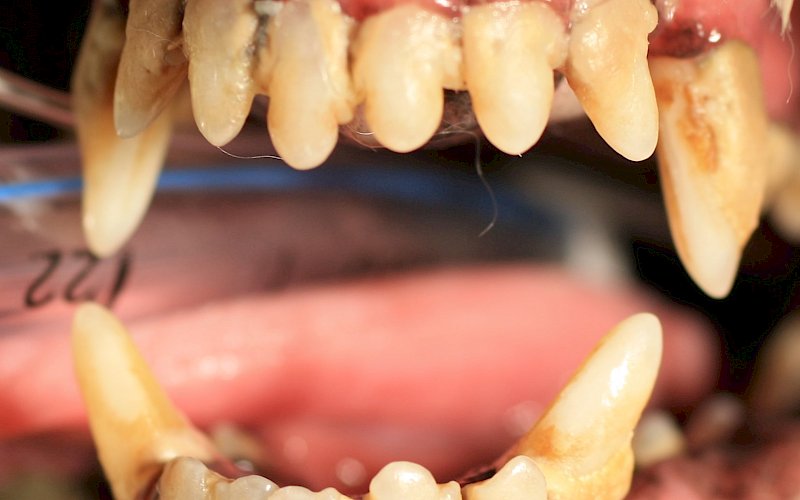
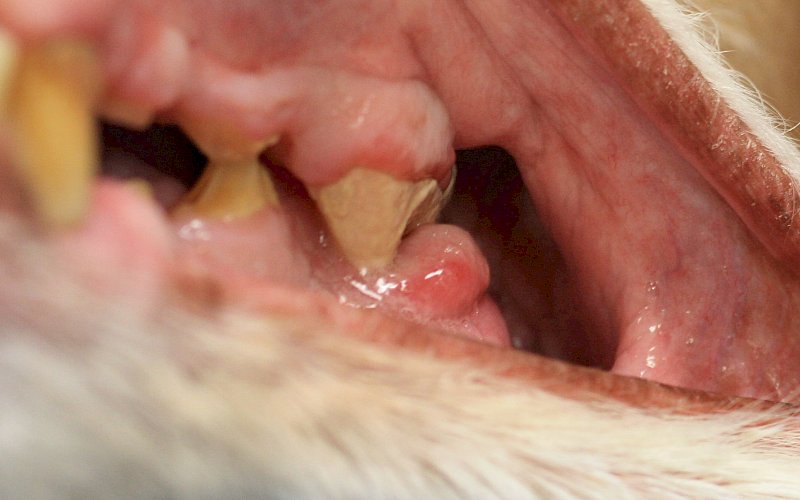
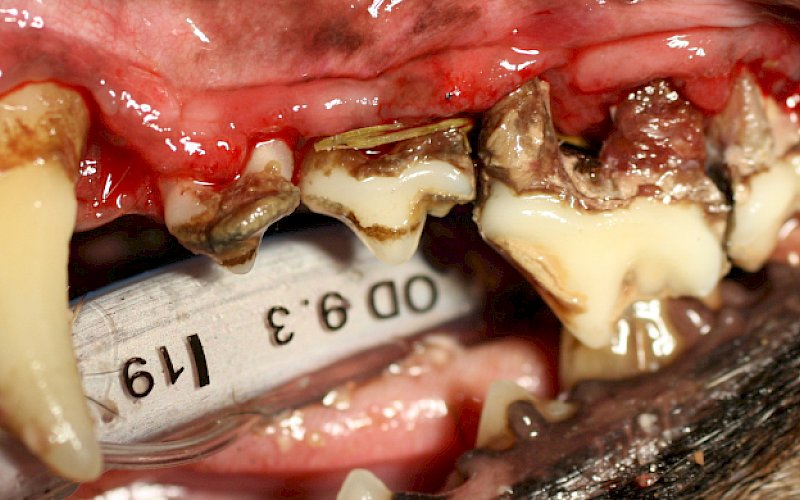
Periodontal disease is one of the most common health conditions in dogs and cats, often developing by three years of age. Left untreated, it can lead to pain, infection, and tooth loss. Our team provides thorough evaluation and treatment tailored to your pet’s stage of dental disease, with the goal of restoring oral health and preventing further progression.
Oral Surgery
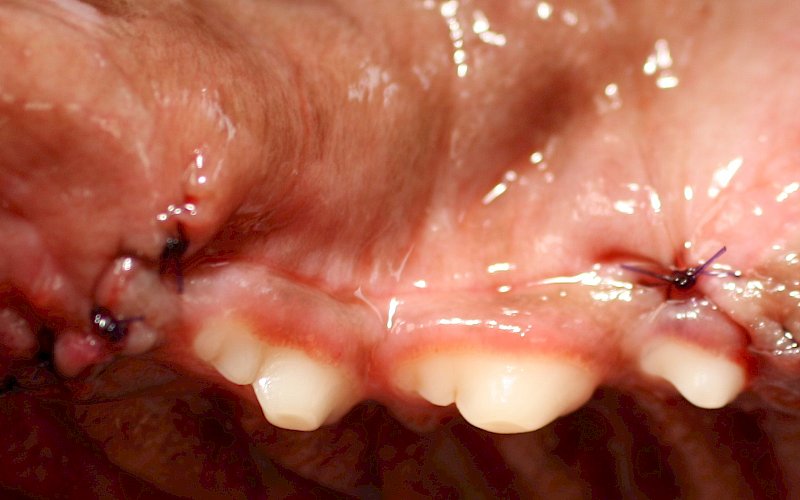
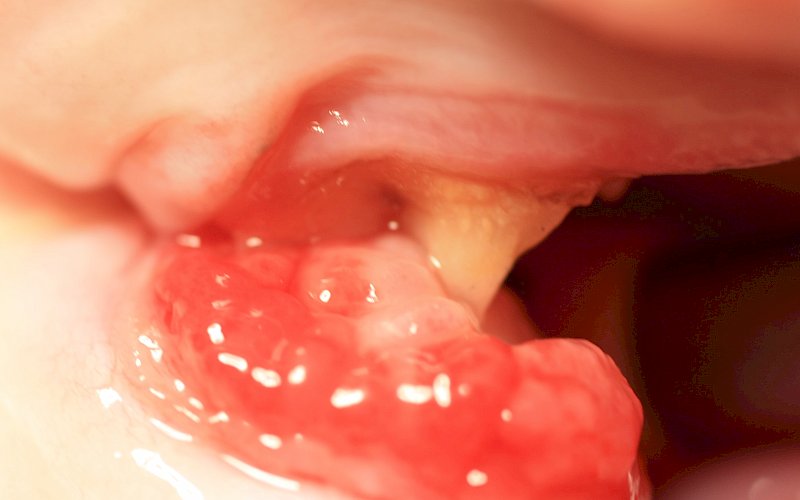
Oral surgery may be recommended to address conditions affecting your pet’s teeth, gums, jaw, or surrounding tissues. After a thorough examination and appropriate diagnostics, our team will determine the most appropriate treatment plan for your pet’s specific condition. While many procedures can be performed in our hospital, certain complex cases may require referral to a board-certified veterinary dental specialist to ensure the highest level of care.
Jaw Fracture Repair
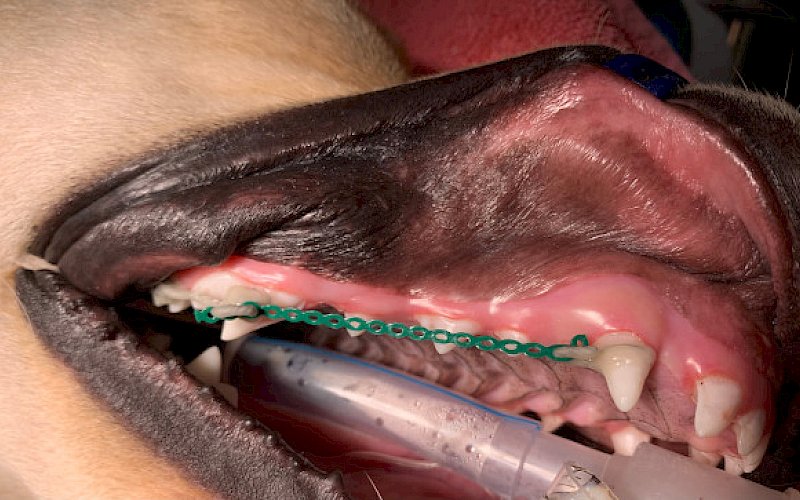
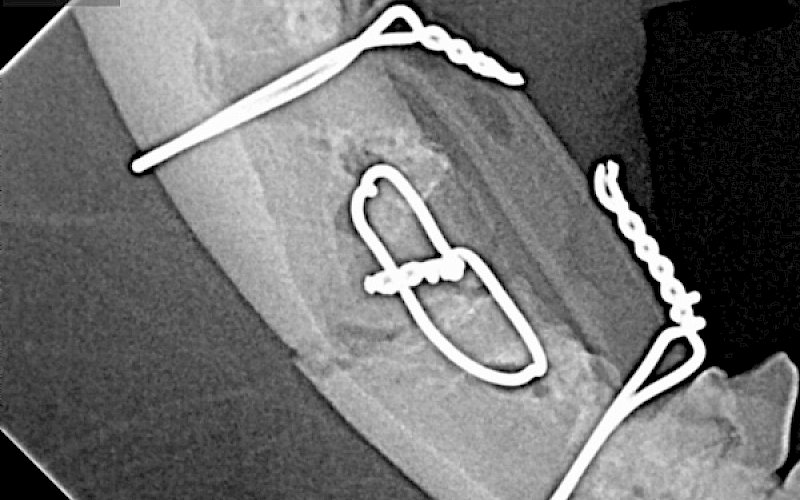
Jaw fractures require careful evaluation and precise treatment due to the complexity of the bones, teeth, and surrounding structures involved. Repair focuses on restoring proper alignment (occlusion), maintaining function, and preserving healthy teeth whenever possible. Our veterinarians use appropriate stabilization techniques tailored to the location and severity of the fracture to support healing and comfort. Each case is individually assessed to determine the most appropriate treatment plan for your pet.
Orthodontics
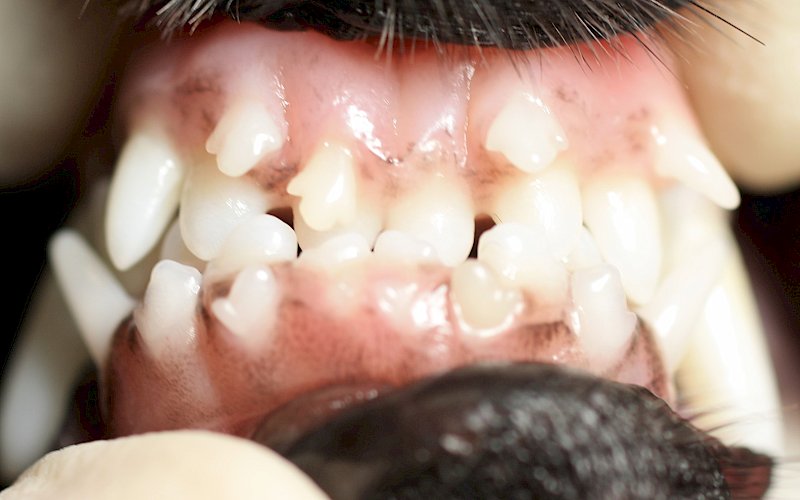
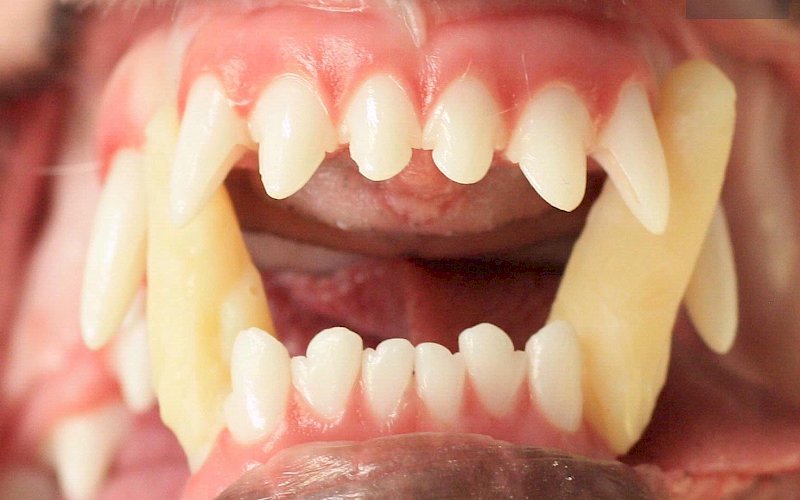
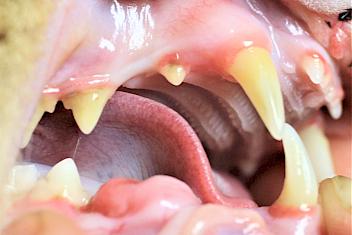
Pet orthodontics addresses malocclusions, when the teeth or bite are not properly aligned and may cause discomfort or damage to oral tissues. Our veterinarians evaluate bite abnormalities and recommend appropriate treatment based on your pet’s individual needs. The goal of orthodontic treatment is to improve comfort, function, and overall oral health.
Endodontics
Veterinary endodontics focuses on treating the inner structures of the tooth when the pulp becomes damaged or infected, often due to fracture or trauma. Treatment options may include root canal therapy, vital pulp therapy, or extraction, depending on the tooth and the extent of disease. Our veterinarians are trained in advanced endodontic procedures and will determine the most appropriate treatment option for your pet’s specific condition.
Prosthodontics
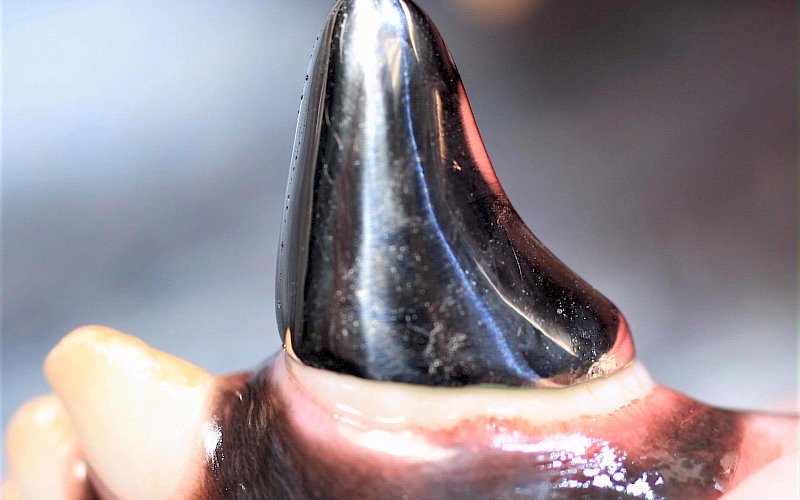
Our Doctors may recommend a crown following root canal therapy to protect the tooth from further damage. The creation and application of a titanium crown requires two anesthetic events. These procedures are often indicated for working dogs and occasionally, a pet with a tendency to chew on inappropriate (hard) toys and items. Our Doctors are happy to discuss this option and help determine if a crown is necessary or recommended for your pet.
Dental Radiography
Dental radiographs (X-rays) are an essential part of evaluating your pet’s oral health. They allow us to examine the tooth roots and surrounding bone, identifying disease that may not be visible during a routine oral exam. Because much of dental disease occurs below the gumline, X-rays help ensure a thorough and accurate diagnosis.
Pet Teeth Restorations
When appropriate, restorative dental treatments can help preserve your pet’s natural teeth while maintaining comfort and normal function. In select cases, bonded restorations or dental crowns may be recommended to protect fractured or worn teeth and prevent further damage. After a thorough evaluation, we will walk you through the options and recommend the best approach for your pet’s long-term oral health. For more complex cases, referral to a board-certified veterinary dentist may be advised to ensure the highest level of care.
Cone Beam CT
The Xoran™ VetCat rotates around the patient, capturing data using a cone-shaped X-ray beam. The data is used to reconstruct a three-dimensional (3D) image of the teeth and the entire maxillofacial region. This modality is able to detect lesions associated with the teeth earlier, and guides surgical planning for complicated oral procedures

Cookies on this website are used to both support the function and performance of the site, and also for marketing purposes, including personalizing content and tailoring advertising to your interests. To manage marketing cookies on this website, please select the button that indicates your preferences. More information can be found in our privacy policy here.